Michigan officials have responded to an emergency U.S. Supreme Court application that could force a proof-of-citizenship voting amendment onto the November ballot, with a ruling possible at any time before the state's Friday deadline to finalize ballot listings.
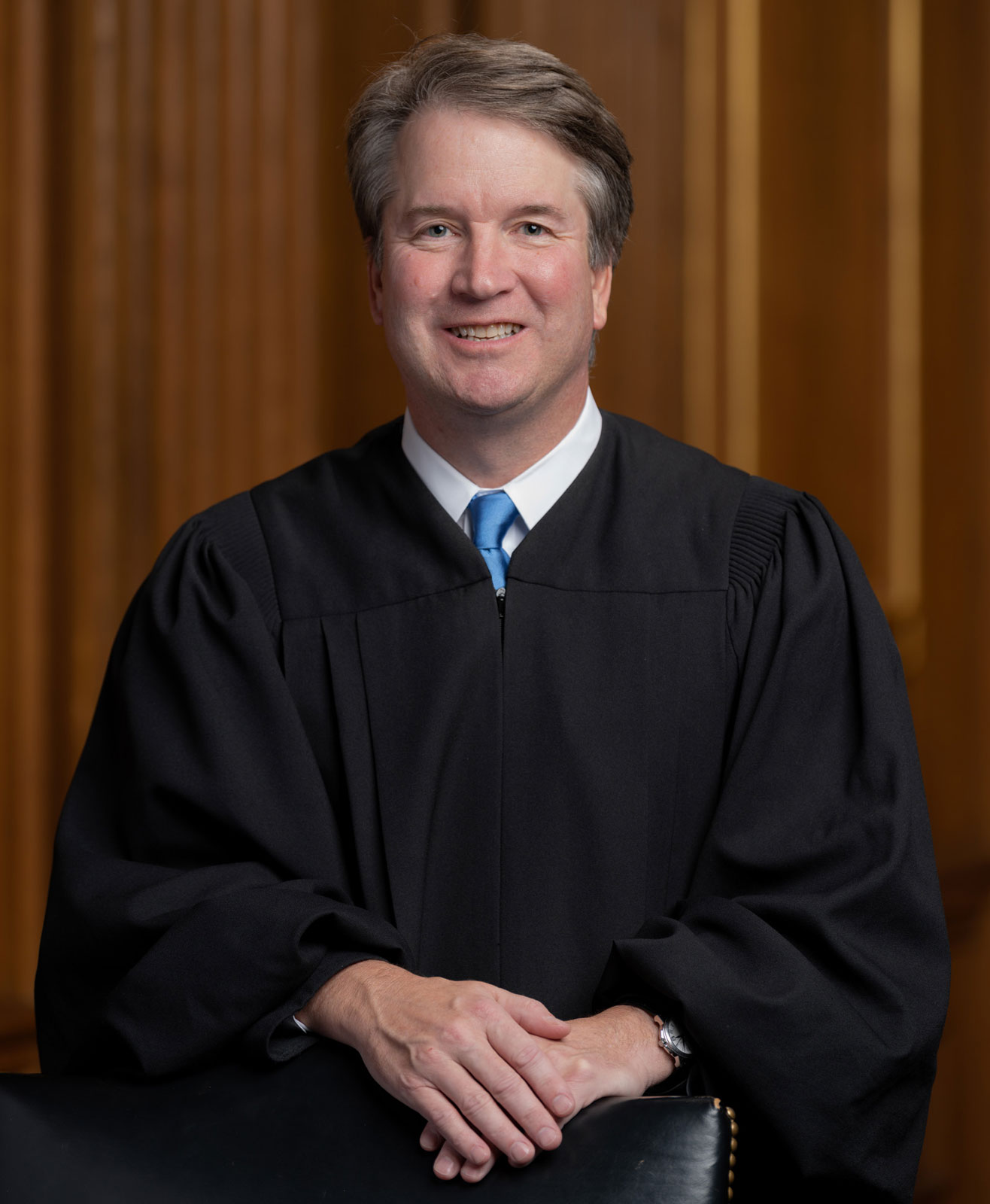
Justice Brett Kavanaugh ordered Michigan officials Tuesday, Sept. 1, to respond by noon Wednesday to an emergency injunction application filed by Americans for Citizen Voting – Michigan (ACVM) on Monday, Aug. 31, according to MLive and Bridge Michigan. The group wants the court to act before the Board of State Canvassers meets Friday, Sept. 4, to finalize ballot listings.
If the measure reaches the ballot, it would require citizenship verification for all Michigan voters through document submission or provisional voting. It would also mandate photo ID at the polls and eliminate the current affidavit option for voters without ID, according to the proposed amendment language.
Canton Township's Board of Trustees placed a resolution opposing documentary proof-of-citizenship requirements for voter registration on its May 19 meeting agenda. Whether the board adopted the resolution could not be confirmed from available records.
Three signatures short
ACVM submitted 709,841 petition signatures in March, well above the 446,198 required. The Bureau of Elections' Aug. 17 staff report initially found 612 valid signatures in a random sample of 1,000; canvassers accepted more during the Aug. 24 meeting, bringing the total to 626, three short of the 629 needed. The Board of State Canvassers deadlocked 2-2 that day, effectively blocking certification.
Republicans Richard Houskamp and Paul Cordes voted to certify the petition. Democrats Mary Ellen Gurewitz and Heather Cummings voted against it, The Detroit News reported.
During the meeting, the board examined dozens of signatures individually. ACVM argues the board wrongly rejected signatures tied to nine voter affidavits, according to MLive.
The group spent $9.1 million on its campaign as of July 20.
State pushes back
Attorney General Dana Nessel and Solicitor General Ann Sherman filed a 39-page response Wednesday calling the application "highly unusual," Bridge Michigan reported.
Nessel argued in the filing that ACVM has not shown a likelihood of success on its due process or equal protection claims. The state contends the ballot petition process is a state-created right, not one guaranteed by the First Amendment.
Nessel's office also noted the Bureau of Elections followed its standard timeline for reviewing the petition. ACVM submitted its signatures March 4, but the Bureau did not issue its staff report until Aug. 17.
ACVM spokesperson Kristin Combs said Wednesday that state officials "have controlled the process, controlled the timeline and ultimately tried to run out the clock."
State and federal law already bar noncitizens from voting. Nessel charged five noncitizens for allegedly voting illegally in the 2024 general election.
What happens next
As of Thursday morning, Kavanaugh had not yet ruled on the emergency application, according to SCOTUSblog's case tracker. He could issue an injunction on his own, refer the case to the full court, or deny the application without comment. ACVM also has a separate lawsuit pending before the Michigan Supreme Court, though a court spokesperson said Wednesday only that the application is "pending."
Absentee ballots for the November general election become available Sept. 24.