Michigan's mosquito-borne virus season kept intensifying this week: the state's human West Nile virus count has climbed to seven, and a second horse has now tested positive for Eastern equine encephalitis (EEE), health officials reported.
The Centers for Disease Control and Prevention counted seven human West Nile cases in Michigan, part of 407 cases across 40 states, according to the CDC's latest data cited by Patch on Sept. 9. A Detroit resident was confirmed positive Sept. 4, joining earlier cases in Macomb, Kent, Emmet and Newaygo counties and a Wayne County resident outside Detroit, according to the Detroit Free Press.
That Wayne County case, announced Aug. 26, was the county's first confirmed human case of 2026. The Detroit Free Press reported that Wayne County Public Health said only that the patient lives outside the city of Detroit and declined to release further identifying information.
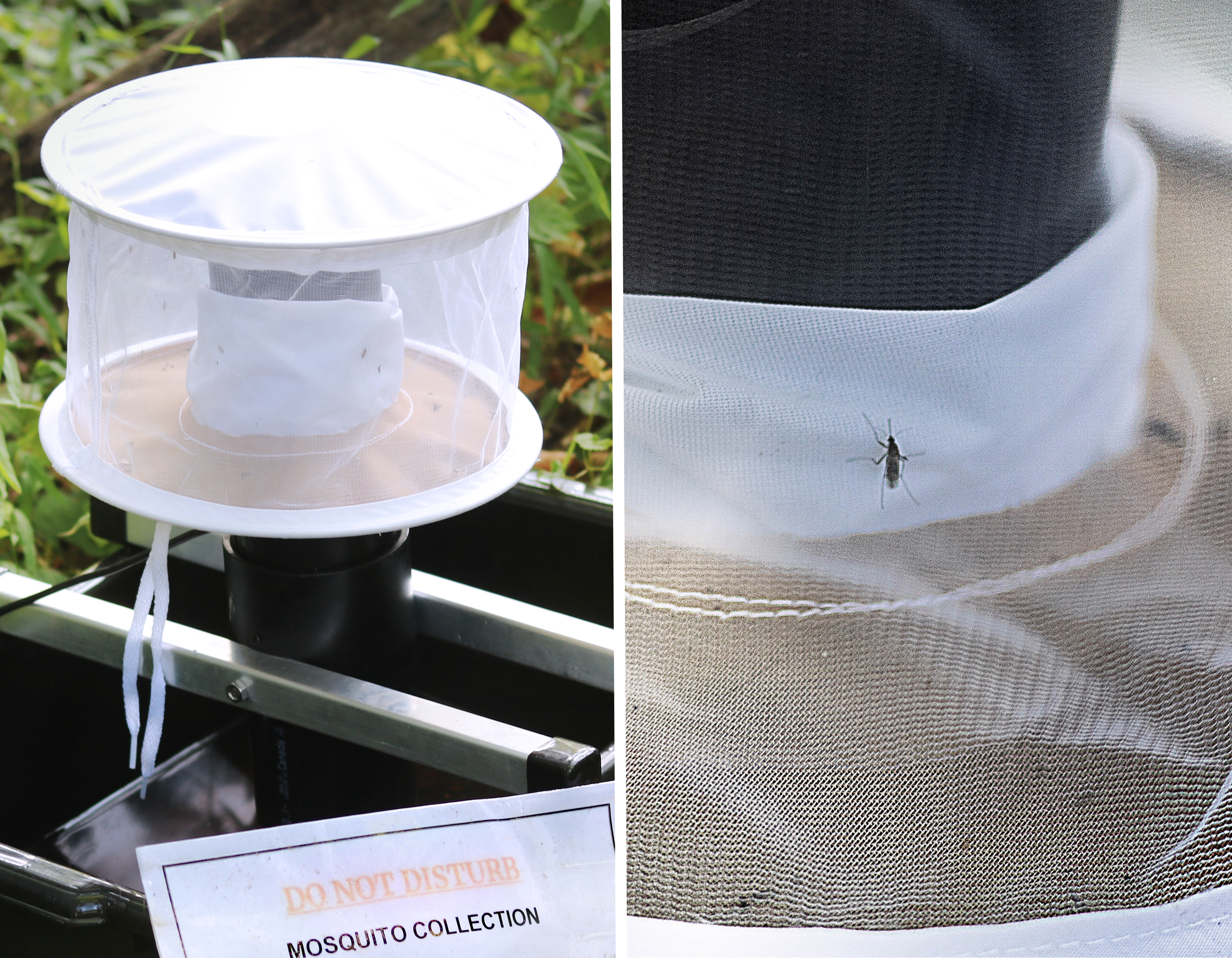
Canton Township is one of five to six locations where Wayne County places mosquito surveillance traps each year, according to The News Herald. The county detected West Nile virus in a mosquito sample collected in Taylor on Aug. 13. Traps are also set in Garden City, Wayne and Wyandotte, and surveillance runs from June through September.
The country recorded its earliest start to the West Nile season and the most cases by late June since 2004, according to Patch. A wet June across the Midwest and Great Lakes filled breeding sites, and July was the warmest month in the contiguous United States since recordkeeping began in 1895, according to the National Oceanic and Atmospheric Administration (NOAA).
Michigan is also tracking a deadlier threat that has now struck twice in its animal population within the past two weeks. The Michigan Department of Agriculture and Rural Development confirmed Sept. 8 that an unvaccinated 18-month-old Quarter Horse filly in Roscommon County tested positive for EEE and was euthanized — the state's second animal case of the summer, following an under-vaccinated Quarter Horse colt in Clare County that MDARD confirmed Aug. 31. State Veterinarian Dr. Nora Wineland said the consecutive detections show EEE is circulating in the state's mosquito population and underscored the importance of vaccinating animals.
On the human side, Michigan confirmed its first case of EEE since 2021 in a Roscommon County resident on Aug. 19, MLive reported. EEE carries a 30% fatality rate among people who become ill, according to Michigan Chief Medical Executive Dr. Natasha Bagdasarian. A 2019 outbreak in the state killed six of 10 people infected, according to CBS Detroit.
Neither virus has a vaccine or treatment for humans.
Most people infected with West Nile show no symptoms. About one in five develop flu-like illness, and roughly one in 150 develop severe neurological complications that can cause permanent disability or death. Adults older than 65 and those with weakened immune systems face the highest risk. For EEE, people older than 50 and younger than 15 are most vulnerable to severe illness.
Michigan's mosquito transmission season typically lasts until the first hard frost, around Oct. 24, according to The Old Farmer's Almanac.
Dr. Avani Sheth, Wayne County Public Health's chief medical health officer, said mosquito season is not over and urged residents to take precautions as the virus remains in its peak activity window of late August and early September.
Wayne County Public Health recommends using EPA-registered insect repellent containing DEET, picaridin or oil of lemon eucalyptus. Residents should empty standing water weekly from birdbaths, flowerpot saucers, buckets and pet bowls, and scrub containers because mosquito eggs cling to surfaces. Some mosquitoes can develop from egg to adult in seven to 10 days, according to the CDC.