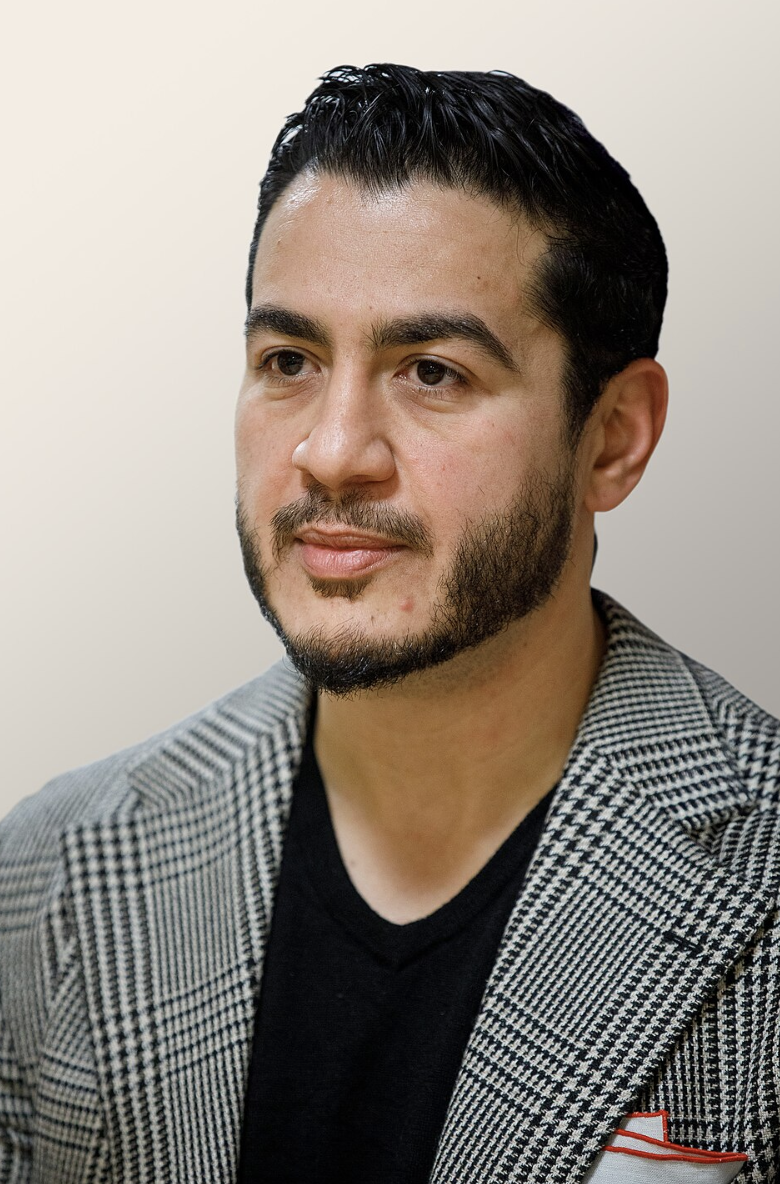
Plymouth and Canton residents will be at the center of one of the nation's most competitive U.S. Senate races this fall after physician Abdul El-Sayed won Michigan's Democratic primary Tuesday, setting up a Nov. 3 general election against Republican Mike Rogers for the open seat left by retiring Sen. Gary Peters.
NBC News projected El-Sayed the winner over U.S. Rep. Haley Stevens on Wednesday, Aug. 5. With roughly 95 percent of ballots counted statewide, El-Sayed held 48.6 percent to Stevens' 47.4 percent, a margin of about 20,000 votes, according to the Detroit Free Press.
Stevens had not conceded as of the morning of Aug. 5.
The race isn't settled everywhere yet. Wayne County absentee ballots were still being tabulated the morning of Aug. 5, and precinct-level results for Plymouth and Canton townships had not been posted by the county clerk.
Wayne County split
Stevens held a commanding lead in preliminary Wayne County returns, which helped close El-Sayed's early statewide gap, Bridge Michigan reported. She also led in Oakland County. El-Sayed's margins in Kent County and outstate precincts proved decisive.
Wayne County accounts for roughly 20 percent of the statewide Democratic primary vote. The county includes Plymouth and Canton as well as Dearborn, and its population is about 8 percent Arab, Middle Eastern or North African descent, the highest share of any county in the nation.
What comes next
The Cook Political Report rates the general election a toss-up. A late-July EPIC-MRA poll of 600 likely voters showed Rogers leading El-Sayed 46 percent to 43 percent, within the margin of error.
Money will flood the state. The Republican Senate Leadership Fund has committed $45 million to help Rogers, The Detroit News reported, its largest-ever investment in Michigan. Democratic group WinSenate has booked $17.4 million for the nominee.
Rogers, a former seven-term congressman from White Lake Township, ran unopposed in the Republican primary. He carries President Donald Trump's endorsement and is making his second straight Senate bid after losing to now-Sen. Elissa Slotkin by roughly 19,000 votes in 2024, even as Trump carried Michigan at the top of the ticket.
El-Sayed, 41, is the son of Egyptian immigrants who grew up around Detroit and previously served as health director for Wayne County and the City of Detroit. He ran for governor in 2018. If elected, he would become the first Muslim to serve in the U.S. Senate. He won endorsements from the United Auto Workers, Sen. Bernie Sanders and Rep. Alexandria Ocasio-Cortez.
"We didn't know they were going to spend $70 million of their money. We didn't know that they were going to outspend us $11 to $1. And yet we're still standing," El-Sayed told supporters at his watch party in Detroit in the early hours of Aug. 5.
The Democratic primary drew more than $80 million in total spending, with Stevens' campaign and the outside groups backing her outspending El-Sayed's side nearly 9-to-1 overall. AIPAC's United Democracy Project spent close to $30 million backing Stevens, the group's largest-ever investment in a single contest.
State Sen. Mallory McMorrow of Royal Oak, who dropped out of the race July 5 but remained on the ballot, endorsed El-Sayed after the race was called. She received about 4 percent of the statewide vote.
This is Michigan's first open Senate seat since 2014. Republicans have not won a Michigan Senate race since 1994. The general election is Nov. 3.