Overdose deaths in Wayne County fell 42% in 2024, the county's first major decline since the COVID-19 pandemic drove a sharp spike in drug fatalities.
The county's chief medical officer warns that carfentanil, a synthetic opioid 100 times more potent than fentanyl, is emerging in the drug supply and complicating prevention efforts.
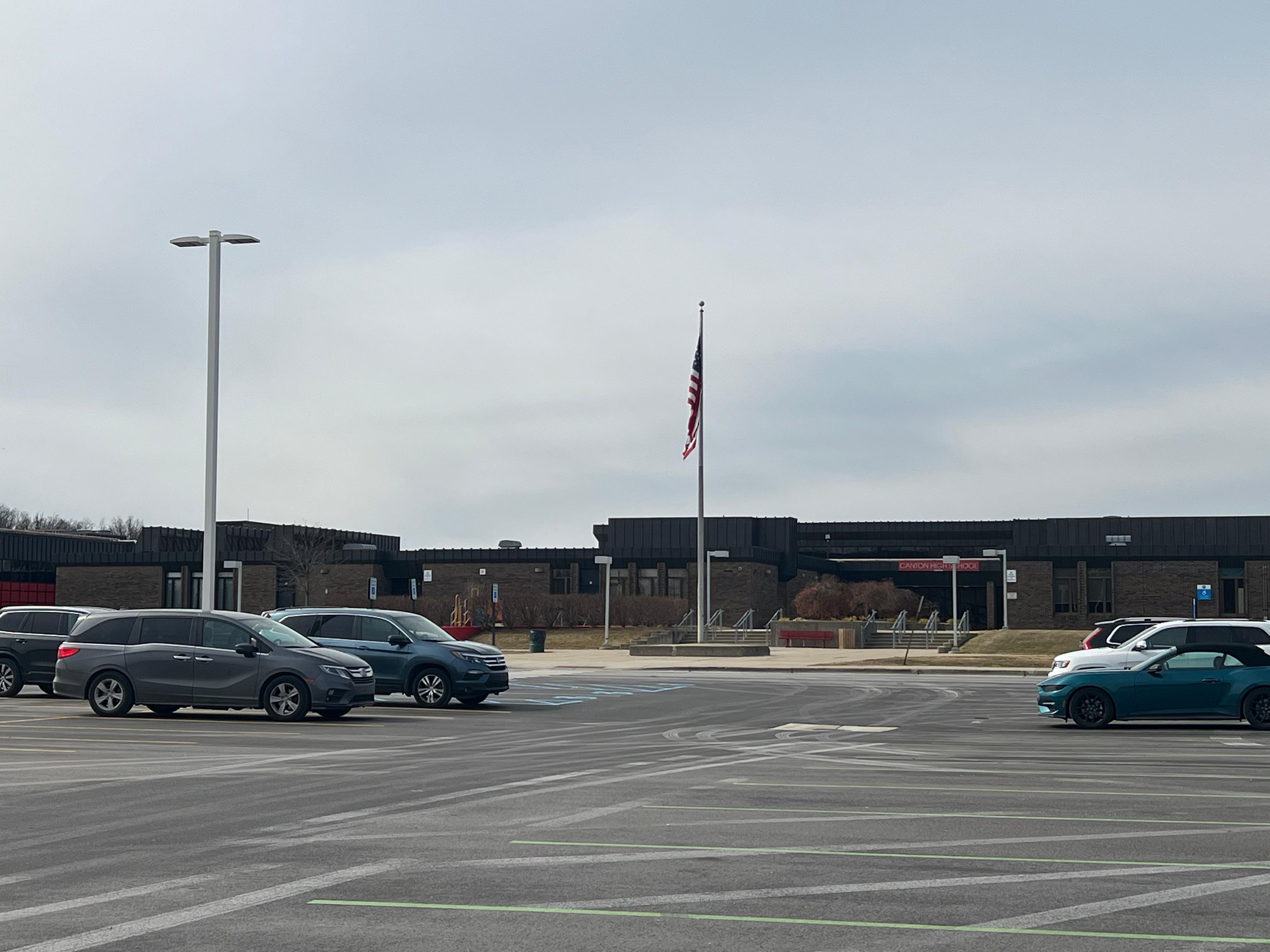
Plymouth, Plymouth Township, and Canton Township all sit within Wayne County, which still leads Michigan in total overdose deaths despite the improvement.
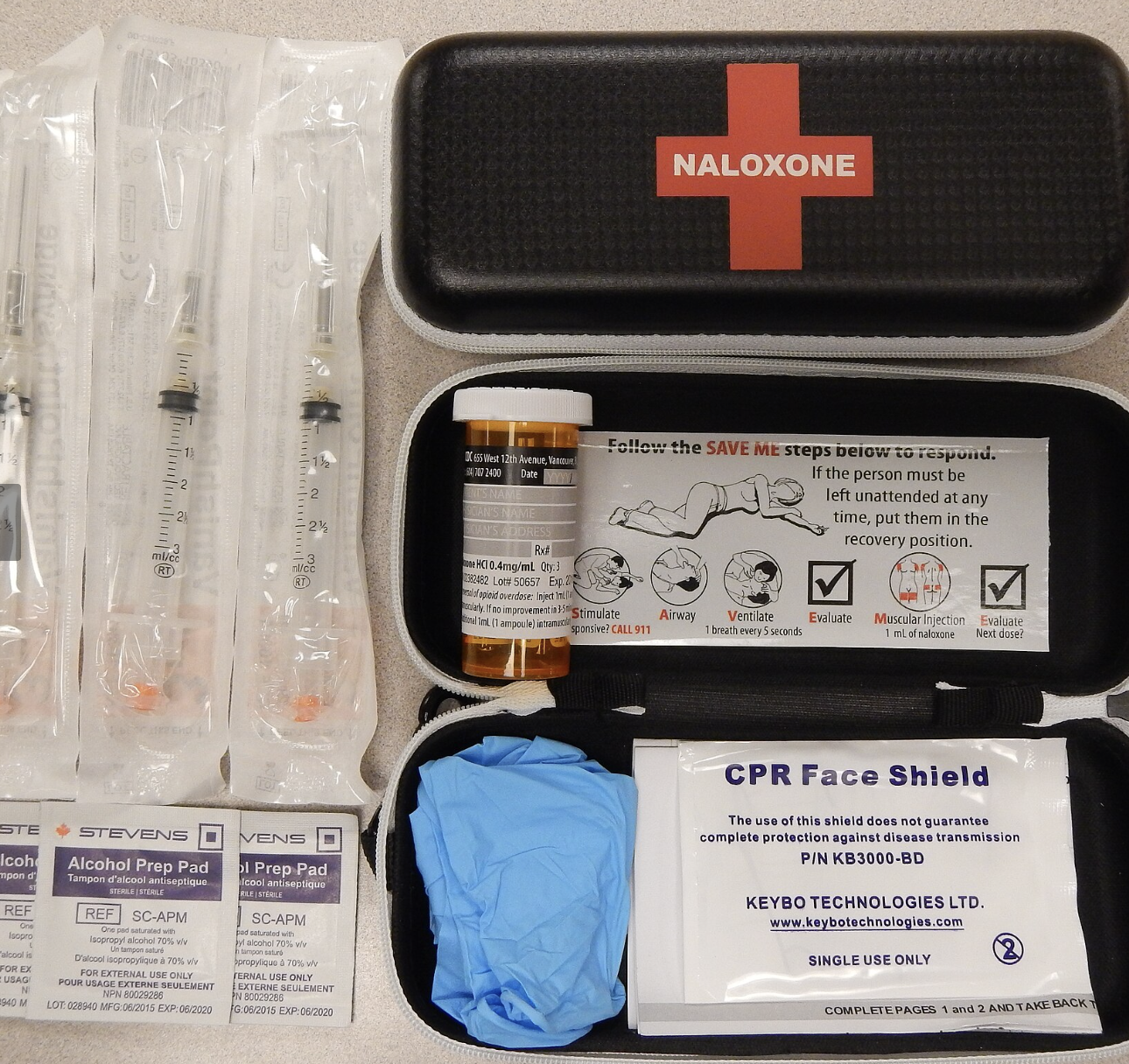
Avani Sheth, Wayne County's chief medical officer, discussed the data on WDET's The Metro program on Tuesday, July 28. She credited expanded naloxone (Narcan) access and peer recovery coaches for helping drive the decline.
"The drug supply continues to change and evolve in increasingly dangerous ways," Sheth said, pointing to carfentanil as a growing challenge.
What is carfentanil?
Carfentanil is a synthetic opioid used to tranquilize large animals such as elephants. The U.S. Drug Enforcement Administration classifies it as approximately 10,000 times more potent than morphine. Fentanyl itself can be lethal at the 2-milligram range. Carfentanil is 100 times stronger.
The drug has surged nationally. DEA labs identified carfentanil 1,400 times in U.S. drug seizures in 2025, up from 145 in 2023 and just 54 in 2022, according to reporting by the Associated Press. Overdose deaths involving carfentanil nearly tripled in 2024, with 413 deaths recorded across 42 states and Washington, D.C., according to CDC data cited in that report. The surge is linked to a crackdown by the Chinese government on fentanyl precursor chemicals, which has prompted traffickers in Mexico to use carfentanil to boost the potency of a weakened fentanyl supply, according to the AP report.
Frank Tarentino, DEA chief of operations for the northeast region, told the Associated Press in April that the drug's potency defies comprehension: "You're talking about not even a grain of salt that could be potentially lethal."
According to the DEA, even multiple high doses of naloxone might not be enough to reverse a carfentanil overdose.
Statewide picture
Michigan's overdose deaths declined by a third to 1,938 in 2024, down from approximately 2,826 in 2023, according to the Michigan Department of Health and Human Services. Preliminary 2025 data projects the rate will fall further to 16.4 deaths per 100,000 residents, compared to 30.8 per 100,000 in 2021.
Black Michiganders are disproportionately affected, with an overdose death rate nearly double that of all other residents, according to MDHHS data.
Since 2023, Michigan has spent $14.8 million in opioid settlement money to purchase 424,882 naloxone kits, according to state records reported by Bridge Michigan. The state has distributed more than 1.7 million kits total and recorded more than 34,000 overdose reversals since launching its Naloxone Direct Portal in 2020.
Where to get naloxone locally
Free naloxone kits are available to Wayne County residents at local MDHHS offices during business hours, at harm reduction agencies, vending machines, local pharmacies, and by mail order. Michigan's Good Samaritan Law protects anyone who administers naloxone to a person experiencing an overdose.
Residents seeking help with substance use can call the SAMHSA National Helpline at 1-800-662-4357, which is free, confidential, and available 24/7. The Michigan Crisis and Access Line is reachable by calling or texting 988.